Black Friday rowing machine deals are on: Hydrow, Ergatta, NordicTrack and more. See the deals
Rowing machine review
Concept2 RowErg Review: Still the Rower to Beat?
By Sam Watson · Updated 13 November 2026
We earn a commission if you buy through the links on this page, at no extra cost to you.
My Concept2 is the oldest machine in my home gym, and if everything else had to go, it's the one I'd keep. It's loud, the screen looks like it was designed in 2003 (because it more or less was), and the seat is hard. None of that has stopped me rowing on it for years, or stopped me telling almost everyone who asks to buy one. The RowErg is the best rowing machine for most people. Get the standard legs unless getting down low is hard for you, and skip it only if what you really need is a coach in your ear every session.
Our best overall rower
Concept2 RowErg
$990standard legs at Concept2 and Rogue; tall legs $1,155. Concept2 charges $55 shipping ($85 tall legs) to the lower 48
Price checked on 13 November 2026
Best for: Anyone who wants a machine to train on for years, with numbers that mean the same on every RowErg in the world.
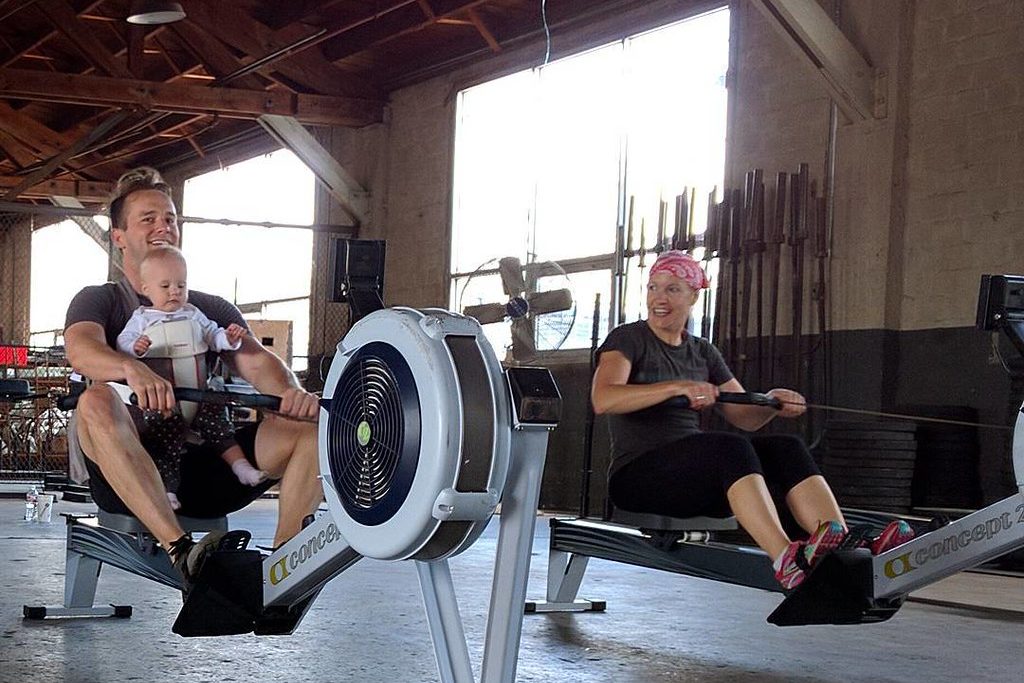
The rower gyms, clubs and CrossFit boxes use, so your times compare with everyone else's
No subscription: the PM5 monitor, the ErgData app and the online Logbook are free
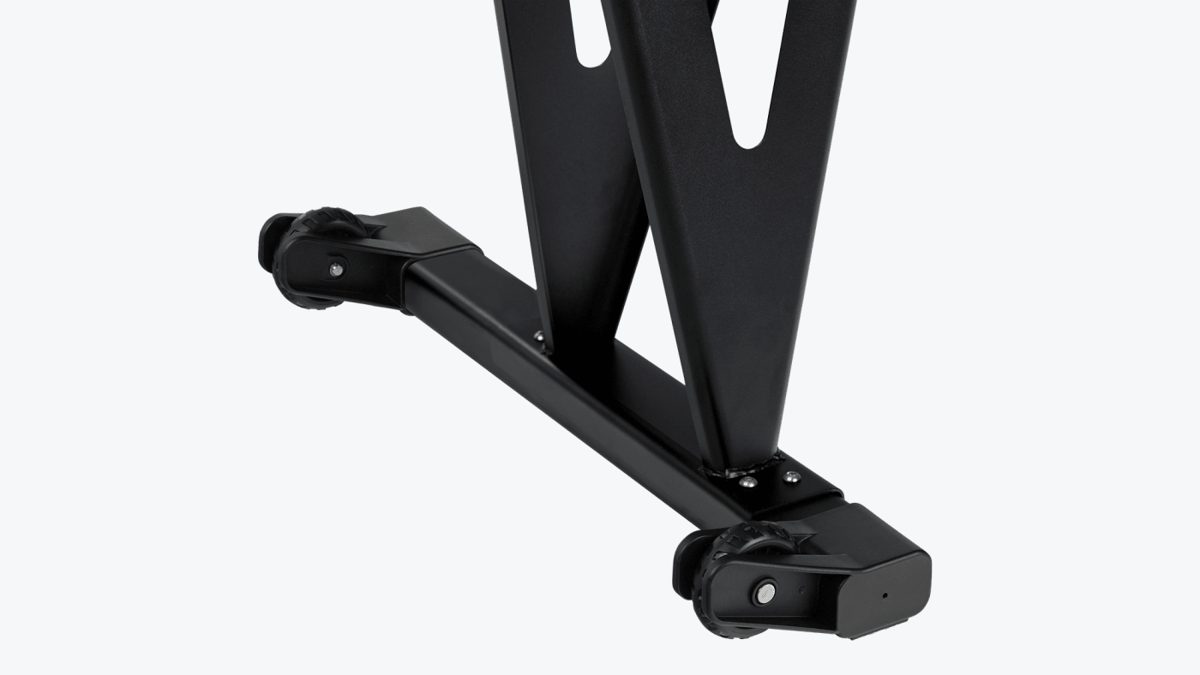
Splits into two pieces without tools, and rolls away on wheels
Takes users up to 500 lb and inseams up to 38 inches
Resistance
Air (steel flywheel, damper 1 to 10)
Footprint in use
8 x 2 ft (needs 9 x 4 ft of room)
Storage
Splits in two without tools, on wheels; 25 x 33 x 54 in stored (27 x 47 x 54 in with tall legs)
Machine weight
57 lb (68 lb with tall legs)
Max user weight
500 lb (300 lb under the EU EN 20957-7 test)
Fits rowers
Inseams up to 38 in; seat 14 in off the floor (20 in with tall legs)
Monitor
PM5, Bluetooth and ANT+, works with ErgData and 40+ other apps
Membership
None needed
Warranty
5 years frame; 2 years all other parts and the monitor, wear included
What we like
Owners say it is built to last: decades-old machines are still rowing, and used ones sell for most of the new price
Free app and online logbook, no monthly fee
Cheap, easy parts if anything wears
Watch out for
Air resistance is the noisiest kind: the fan whooshes with every stroke
No built-in screen or classes: classes come from apps on your own phone or tablet
The seat is hard on long rows, the most common owner complaint (a $12 pad fixes it)
Buy the RowErg if you want a rower that will last for years, measure you honestly, and never send you a monthly bill.
Get the tall legs if sitting down to 14 inches and getting back up is hard on your knees or hips. It's the same machine with a 20-inch seat, for $165 more.
Skip it if you know you won't row without a coach and a screen telling you what to do. A Hydrow does that better, for $50 a month.
4.5out of 5
My scores: Concept2 RowErg
Out of 5, on the same scale as every machine we score. Value is judged against the price.
Rowing feel5
The benchmark: a smooth, connected stroke, and the resistance builds exactly as hard as you pull.
Build quality5
Rated for commercial use, takes 500 lb, and owners report decades-old machines still rowing.
Screen and app4
The PM5 is plain but accurate and does everything, and it connects to ErgData and 40+ other apps.
Workouts and coaching3.5
Free workouts, challenges and world rankings, but no coach unless you add a paid app.
Fit and comfort5
Inseams up to 38 inches, riders up to 500 lb, and a tall-legs version if getting low is hard.
Living with it3.5
Splits in two and rolls away, but it is 8 feet long and the fan is loud.
Value for the price5
$990 with no monthly fee, and used ones hold most of their price.
Customer service5
5 years on the frame, 2 years on everything else including wear, transferable, and owners praise the support.
Why every gym has one
Walk into almost any gym, CrossFit box or rowing club and there's a row of these. That isn't marketing. Concept2 has made essentially the same machine since the Model D arrived in 2003, and the reason it stuck is that a RowErg measures the same way wherever it is. A 2,000 meters on mine means the same as a 2,000 meters on yours, or on the one an Olympian trains on. That's why your times can go into Concept2's world rankings, and why "what's your 2k?" is a question rowers ask each other.
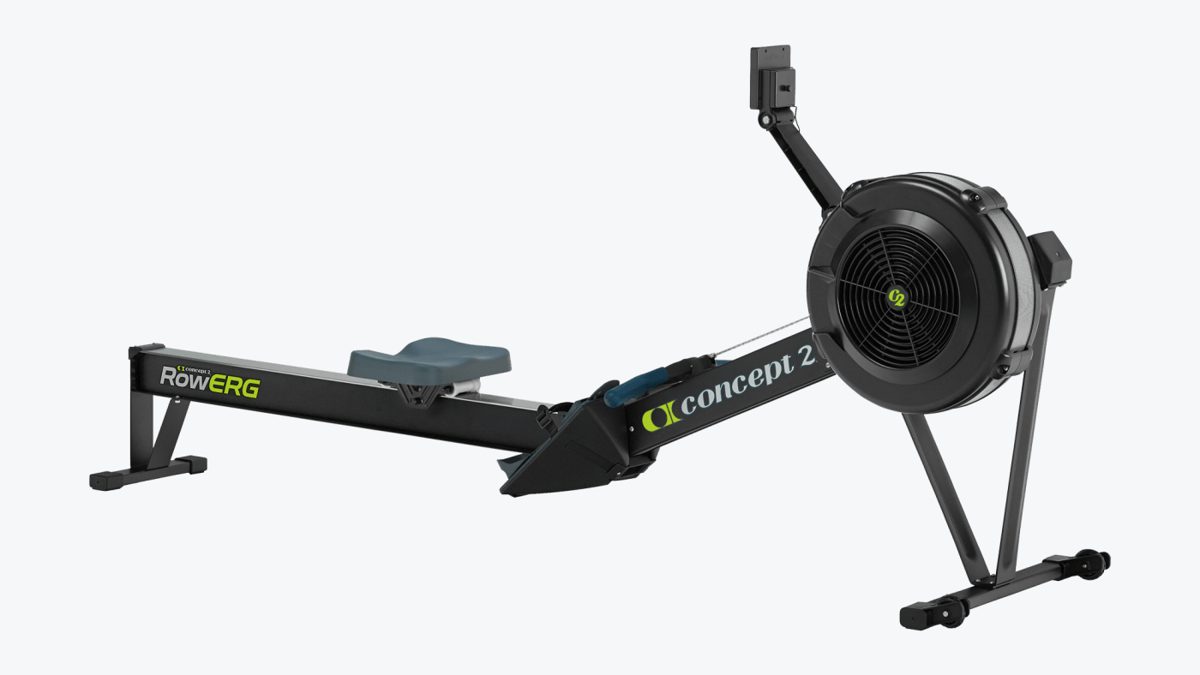
The RowErg with standard legs: 8 feet long, 57 lb, with the PM5 monitor on its arm. Photo: Rogue Fitness.
It also explains the price. At $990 it's far from the cheapest rower, but it's built for gyms (Concept2 rates it for commercial use), it takes riders up to 500 lb, and owners report machines that are decades old and still going. Used ones sell for most of their new price, which tells you everything about how long they last.
Getting it home
Mine came in one long box, 57 inches and about 68 lb, which I carried in on my own without much drama. That's a nice change from smart rowers that arrive in a 200 lb crate. Concept2 ships within a few days and charges $55 to the lower 48 states ($85 for tall legs, which come in two boxes).
Assembly took me about half an hour: eight screws to attach the front legs, then the monorail clips on, the monitor arm swings up and the two D batteries go in. The tools are in the box and the illustrated instructions are better than most flat-pack furniture. If you've built an Ikea bookcase, you can build a RowErg.
No outlet needed. The PM5 monitor runs on two D batteries and partly powers itself from the flywheel while you row, so it can go anywhere: a garage, a spare room, a corner of the living room. Before you order, measure the space: it's 8 feet long and 2 feet wide, and Concept2 suggests a 9 by 4-foot area to use it comfortably.
The first row, and the damper mistake everyone makes
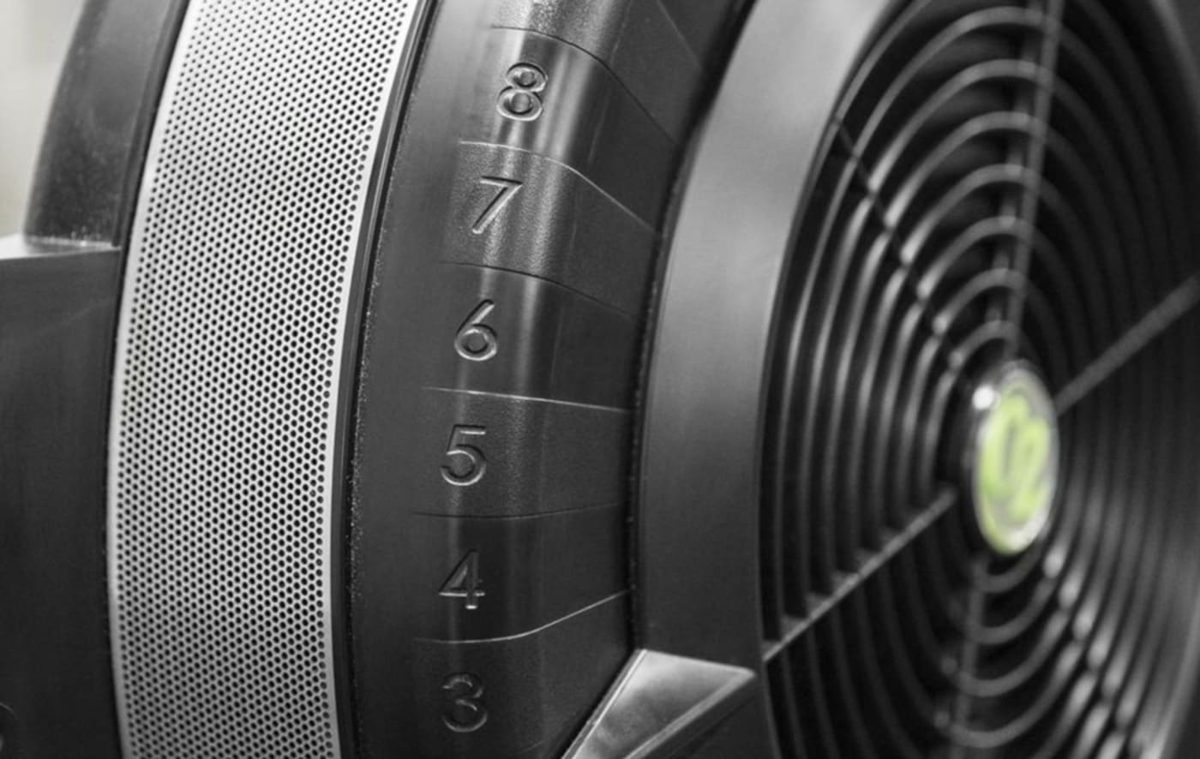
On the side of the flywheel is a lever numbered 1 to 10, the damper. My first time, years ago, I put it on 10, because surely higher is harder and harder is better. Twenty minutes later my lower back told me otherwise. The damper is more like gears on a bike than a difficulty setting: it changes how heavy each stroke feels, but how hard the workout is depends on how hard you pull.
The damper. Concept2 recommends 3 to 5 for most rowing. Photo: Rogue Fitness.
Concept2 recommends starting at 3 to 5, and that's where I row almost everything. Lower feels like a light, fast racing boat; higher feels like a heavy one. If you want to be precise, the PM5 can show you the drag factor, the number that tells you how much air the flywheel is actually moving. It changes with the weather and with dust in the flywheel housing, which is why serious rowers set the drag factor rather than the damper number.
The other thing I'd tell anyone on day one: learn the stroke before you go hard. Legs, then lean back, then arms; arms, then lean forward, then legs. Concept2's own short video below shows the setup and the basics better than I can in words.
Watch before your first row. This is Concept2's own video on getting set up, from its YouTube channel.
The stroke is the reason people love this machine. It's smooth all the way through, there's no slack at the catch, and the resistance builds exactly as hard as you push with your legs. Row badly and it feels jerky; row well and it feels like you're moving something. Every other rower I've tried, I've compared to this one.
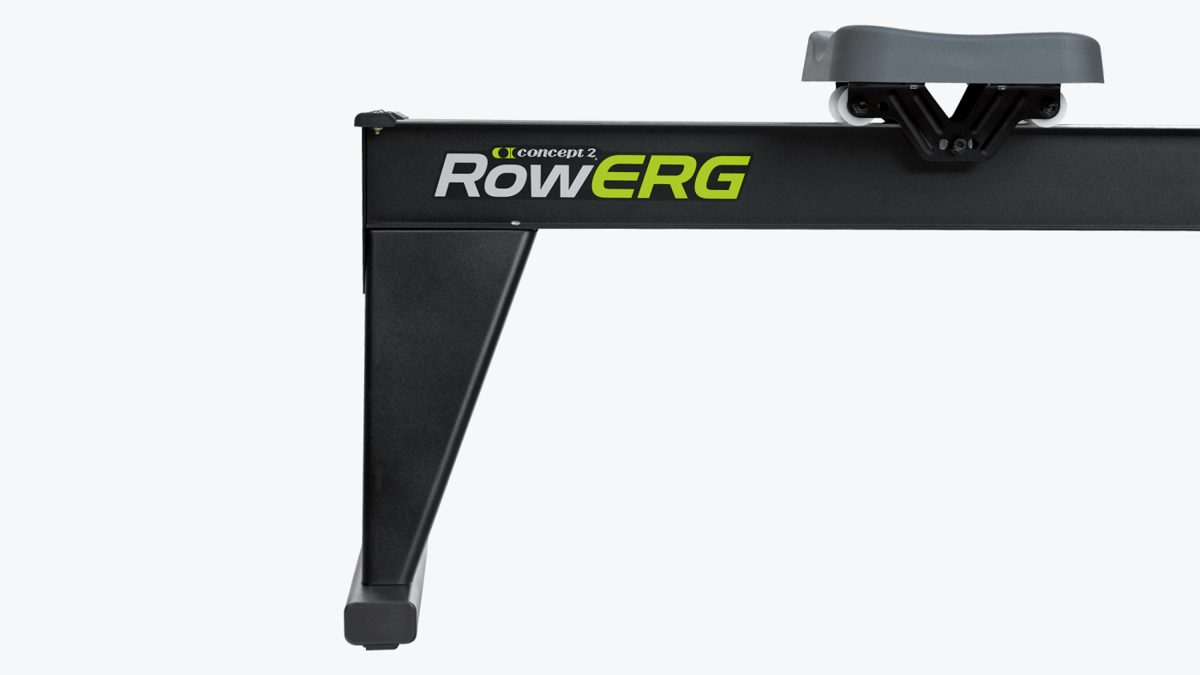
The seat runs on a stainless steel track on an aluminum monorail. Photo: Rogue Fitness.
The noise. I won't pretend: air resistance is the loudest kind. Every stroke makes a whoosh from the fan, a bit like a big desk fan winding up, and the seat rolls on the rail. My dogs leave the room. It isn't a thud or a clank, and owners are split on it: plenty say it's quieter than they feared, and a good number say it's louder than they hoped. I'd row it early in the morning in a garage, but not in a top-floor apartment at 6 a.m. with neighbors below. If quiet matters most, look at a Hydrow or a water rower.
The seat. It's hard. On a 20-minute row I don't notice; on an hour, I do. It's the most common complaint in owner reviews, and the fix is a $12 seat pad from Concept2, which I'd just add to the order. Most owners say they get used to it within a few weeks either way.
Everything else. The footplates adjust quickly and the straps hold. The monitor arm swings to the height you want. Fresh rowers get blisters for the first week or two; that's your hands, not the machine.
Standard or tall legs?
This is the question I get asked most, and most reviews get it wrong. The tall-legs RowErg isn't a different machine, and it isn't for tall people. It's exactly the same rower on longer legs, so the seat sits at 20 inches instead of 14. That's it.
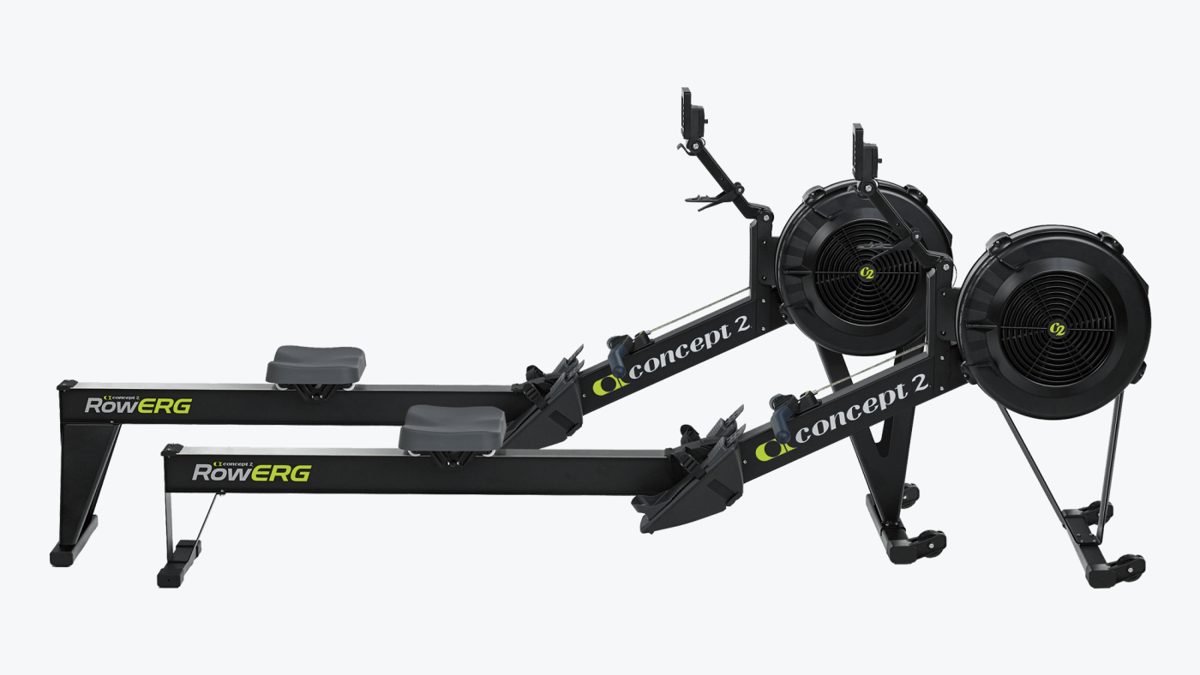
Standard legs in front, tall legs behind: the same machine, a 6-inch higher seat. Photo: Rogue Fitness.
Standard legs
Tall legs
Price at Concept2
$990
$1,155
Seat height
14 in
20 in
Weight
57 lb
68 lb
Fits inseams up to
38 in
38 in
Shipping (lower 48)
$55, one box
$85, two boxes
Stored
25 x 33 x 54 in
27 x 47 x 54 in
Who should get tall legs: anyone who finds it hard to sit down to a low seat and get back up, because of knees, hips, back or age. Owner reviews are full of buyers in their 60s and 70s who say the higher seat is what made rowing possible. It's also easier to get on and off between intervals.
Who doesn't need them: tall people, if that's the only reason. Both versions fit the same 38-inch inseam (Concept2 has an extra-long monorail for longer legs, but you have to call them). Owners who've rowed both say the rowing feels the same.
Not sure? Buy the standard legs. If you change your mind, Concept2 sells a kit to convert it to tall legs for $225.
Model D, Model E, RowErg: what the names mean
If you've been searching, you've probably seen all three names, and it's confusing because Concept2 changed them in 2021.
Model D (2003 to 2021) is now the RowErg with standard legs. Same machine, new name.
Model E (2006 to 2021) was a higher, slightly different machine (enclosed chain, fixed monitor arm). It was discontinued, not renamed. The RowErg with tall legs replaced it: the Model D design on taller legs.
The Dynamic is a different rower again, for people who row on the water (more on that below).
So if you're looking at a used Model D or Model E, you're looking at the same basic machine Concept2 sells today, and it's well worth buying. Our guide to buying a used Concept2 covers what to check and what to pay.
The PM5, and everything you get free
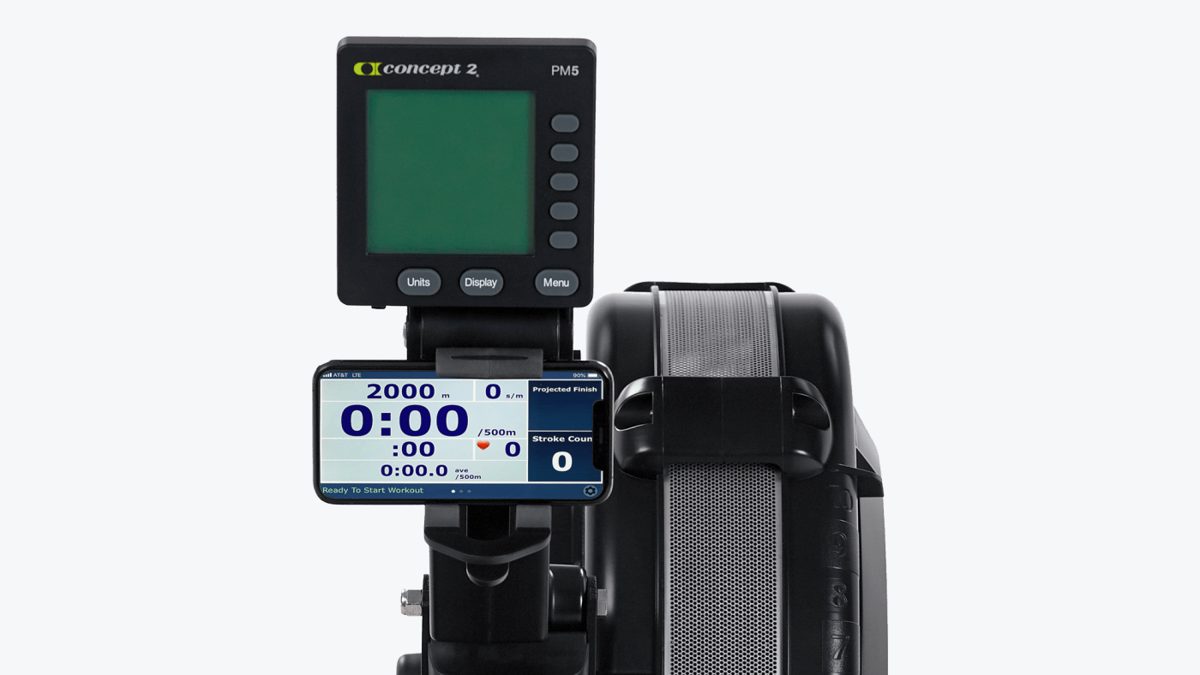
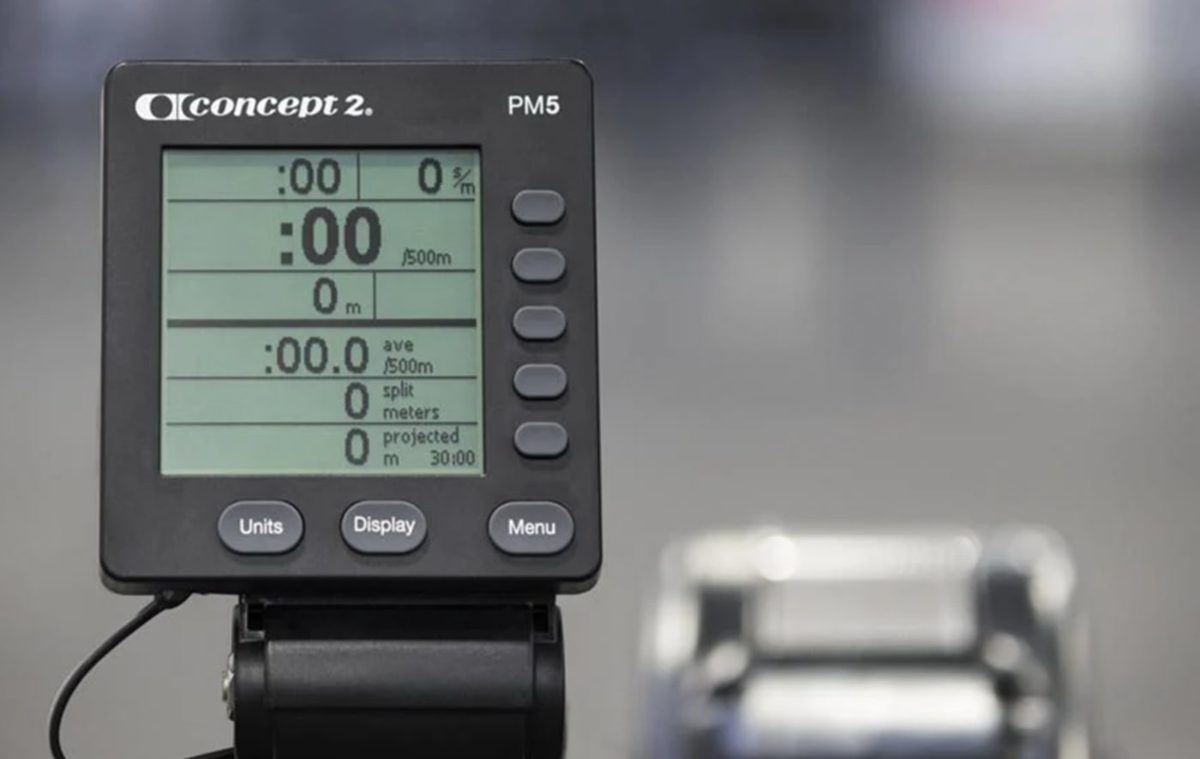
The PM5 monitor is the opposite of a smart rower's screen: small, grey and plain, with five buttons. It's also brilliant. It's accurate, it shows everything that matters (pace per 500 meters, stroke rate, watts, calories, a force curve of your stroke), it stores your workouts and it never needs a subscription. I've never had to update it, charge it or log into it.
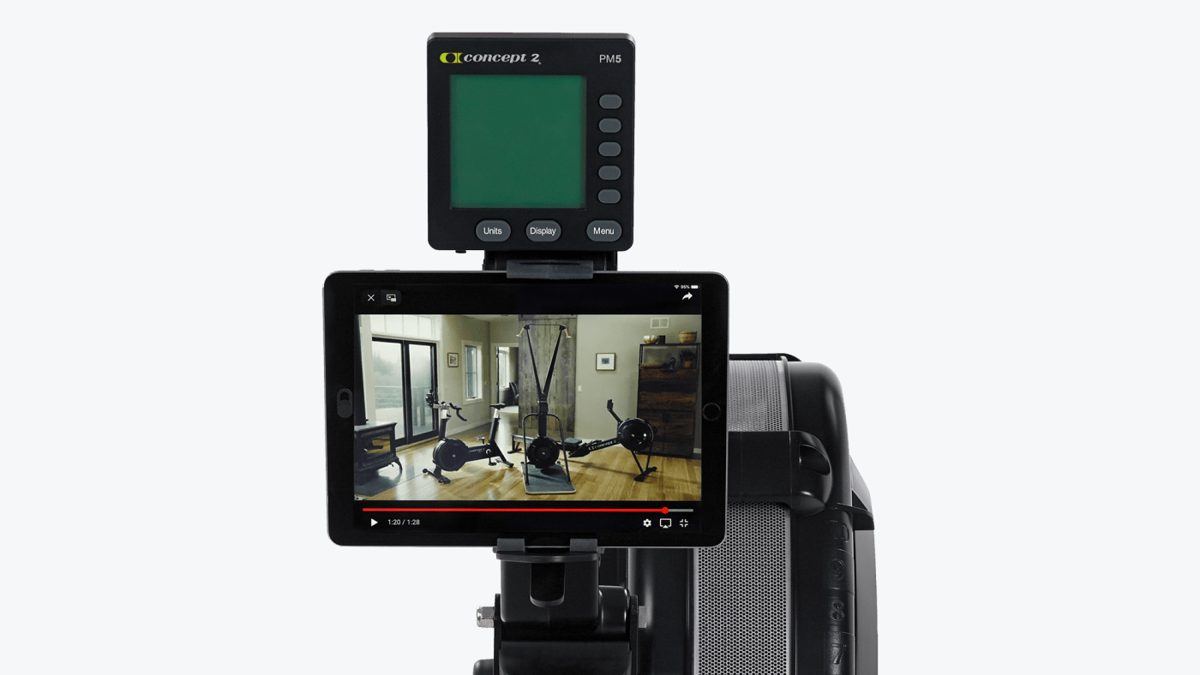
The PM5 with a phone in the device holder that comes with every new RowErg. Photo: Rogue Fitness.
Connect your phone to Concept2's free ErgData app and it gets better: every row goes into your free online Logbook (and on to Strava or Garmin if you like), there's a Workout of the Day with a daily leaderboard, and you can race a virtual boat on a course. The Logbook has world rankings by age and weight, and challenges through the year. My favourite is the Holiday Challenge, rowing 100,000 meters between Thanksgiving and Christmas Eve, which more than 15,000 people finished last year.
What you don't get is a coach. If you want classes, the PM5 connects to more than 40 apps, from Hydrow's own app to Aviron's games, ErgZone's training plans and virtual worlds like EXR and Kinomap, most of them paid. That's the smart way to do it, in my view: buy the machine that lasts, and pay for classes only if you want them.
Everything about the monitor, the apps, the Logbook, damper settings and drag factor is in our PM5 and apps guide.
Living with it
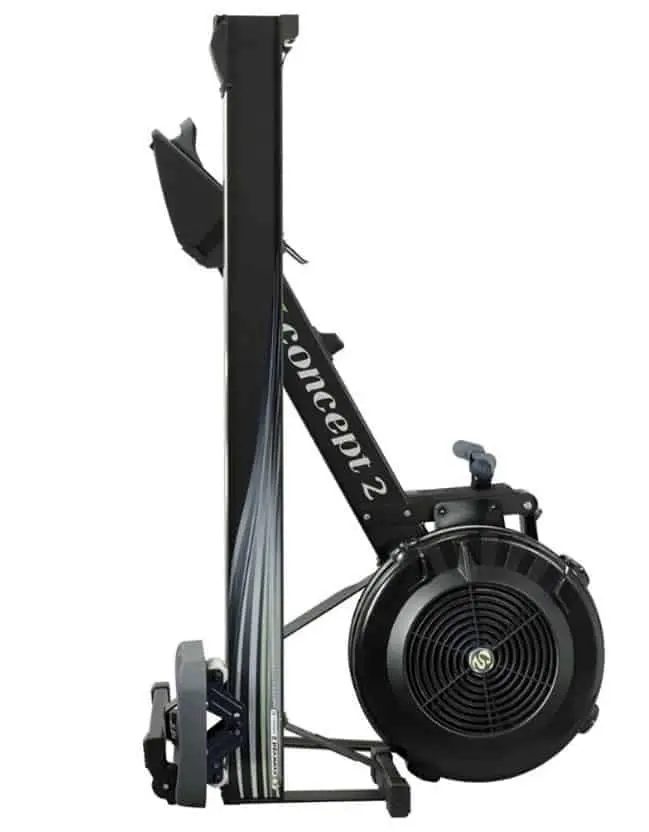
The thing I like most about living with a RowErg is that it gets out of the way. Pull the release, lift, and it splits into two pieces with no tools. The front half rolls away on wheels and the monorail stands up against a wall. It takes me about 30 seconds, and it means the rower doesn't have to own a room.
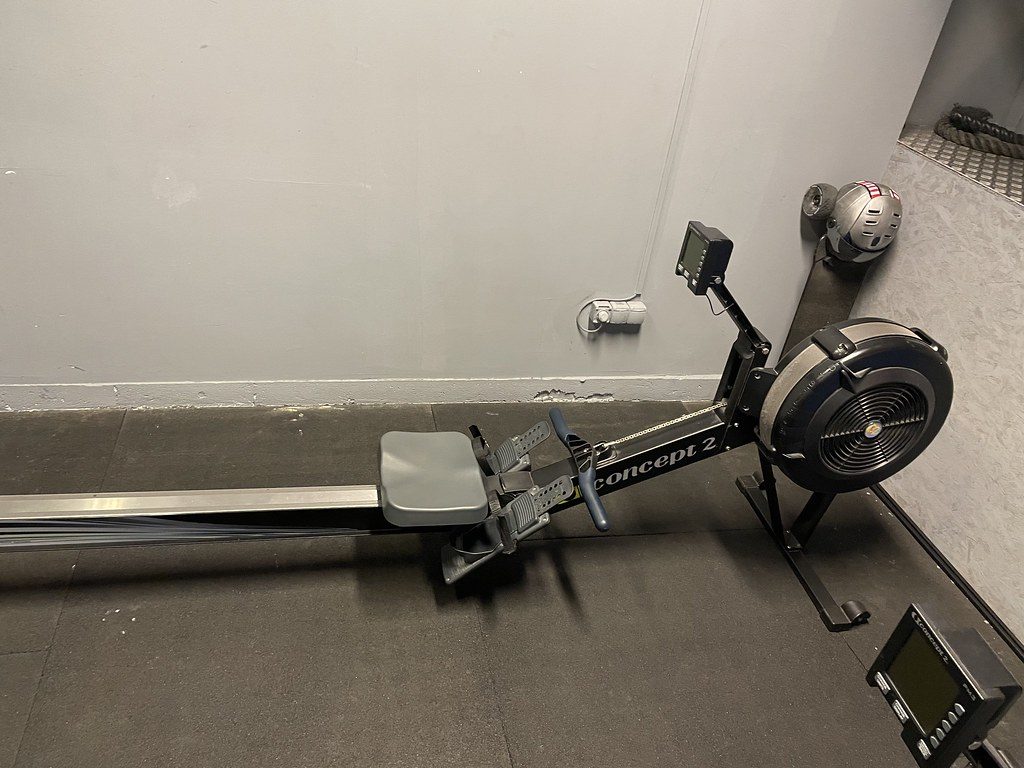
Split in two and stood up, it fits in a corner.A black Model D in a home gym, with the monitor arm folded down. Photo: Start Rowing.
Maintenance is almost nothing. Oil the chain every 50 hours of rowing (Concept2's warranty asks for it), wipe the monorail so the seat rollers stay smooth, and every so often vacuum the dust out of the flywheel housing. A bottle of chain oil costs $5.75. If something wears out, parts are cheap and you can fit them yourself: a new pair of seat rollers is under $20. Our maintenance guide has the whole routine.
The household. There are no profiles to set up and nothing to log into. Anyone can sit down and row. My partner uses it with their own ErgData account, and the monitor doesn't care who's on it.
The device holder takes anything up to a large tablet.
What it really costs
This is where the RowErg wins, and it isn't close. Over five years:
Machine
Five years of fees
Total
Concept2 RowErg
$990 + $55 shipping
$0 (ErgData and Logbook are free)
About $1,045, plus chain oil and a seat pad
Hydrow Origin
$2,195
$3,000 ($50 a month)
$5,195
Row four times a week for five years and the RowErg works out at about $1 a session. And it doesn't stop there: Concept2 owners on its forum say a well-kept machine sells for 75 to 80% of the new price, so the real cost of owning one can be a few hundred dollars. Add a paid app if you want classes and it's still a fraction of a smart rower.
What other owners say
I read through the reviews: about 1,850 verified ones on Rogue, the Amazon listing with more than 13,000 ratings, and the Concept2 forum. These are the things lots of owners say, not one-offs.
What owners love
How well it's built: hundreds of reviews mention it, and decades-old machines are still rowing
Easy to assemble and to store
Kind to knees and backs; many reviewers are in their 50s, 60s and 70s
Concept2's customer service, which owners praise rather than complain about
What owners complain about
The hard seat, by far the most common complaint (and the easiest to fix)
The noise: quieter than many feared, louder than some hoped
A small number of PM5 faults, usually fixed cheaply by Concept2
That matches my experience almost exactly. The complaints are real but small, and none of them is about the machine wearing out.
Warranty and returns
Concept2 gives 5 years on the frame and 2 years on everything else, including the monitor, and the 2 years covers parts that simply wear out, not just faults. Unusually, the warranty transfers to the next owner, which is another reason used ones hold their value. To keep it, oil the chain every 50 hours and keep the monorail clean.
Buy direct from Concept2 and you get 30 days to return it for a refund of the machine's price, but you pay the shipping both ways. Bought from Rogue, Rogue's own return terms apply.
What about the Dynamic?
Concept2 still makes the Dynamic RowErg ($1,375, by phone order only). The footrests slide and the seat stays put, which feels much more like a boat, and Concept2 itself says it's "recommended only for people who row on the water". It can't be split or stood up, either. If you row on the water and want to train the same movement indoors, it's worth a look. For everyone else, the RowErg is the one.
Concept2 vs the alternatives
Hydrow ($2,195 plus $50 a month): coached classes filmed on real water, near-silent, but it costs five times as much over five years. Hydrow vs Concept2
WaterRower: beautiful wooden water rower, quieter and nicer to look at, with a softer, swooshing feel; less precise for training. WaterRower vs Concept2
NordicTrack RW900: a big screen and iFIT classes, magnetic resistance, but it doesn't fold. NordicTrack RW900 vs Concept2
Ergatta: a water rower with games and races on a screen, for a monthly fee. Ergatta vs Concept2
I started this review admitting the RowErg is loud, plain and hard on the backside. All true. It's also the machine I've rowed more than any other, the one I compare everything to, and the one that will still be working when the shiny screens on other rowers have gone out of date. It doesn't need Wi-Fi, a plug or a subscription. It just needs you to sit down and pull.
If that's what you want, buy the standard legs, add a $12 seat pad and download ErgData. If sitting low is hard, pay the extra for tall legs. And if you know you'll only row with a coach talking you through it, be honest with yourself and look at a Hydrow instead.
FAQ
Is the Concept2 RowErg the same as the Model D?
Yes. Concept2 renamed the Model D the RowErg in 2021; it's the same machine. The Model E was discontinued at the same time and replaced by the RowErg with tall legs.
Should I get standard or tall legs?
Standard legs for most people. Tall legs raise the seat from 14 to 20 inches for $165 more, which helps if getting down low is hard on your knees or hips. They aren't needed for tall people: both fit inseams up to 38 inches.
Do you need a subscription for a Concept2?
No. The PM5 monitor, the ErgData app and the online Logbook are all free. Classes and games from third-party apps cost extra if you want them.
What damper setting should I use on a Concept2?
Concept2 recommends 3 to 5 for most rowing. The damper changes how each stroke feels, like gears on a bike; how hard the workout is depends on how hard you pull.
How loud is a Concept2 rower?
It's the loudest type of rower, because the resistance comes from a fan: each stroke makes a whoosh. Owners are split on whether that's a problem. Fine for a garage or a ground floor; think twice in an apartment above other people.
How much space does a Concept2 need?
It's 8 feet long and 2 feet wide, and Concept2 suggests a 9 by 4-foot area to use it. It splits in two without tools to store, and the monorail stands up against a wall.
How long does a Concept2 last?
Many years. Owners report machines decades old still in use, Concept2 rates it for commercial use, and wear parts are cheap and easy to replace.