
Rowing machine review
WaterRower Set-Up and Care: Filling, Tablets, Cleaning and Leaks
 By Sam Watson · Updated 17 November 2026
Looking after a WaterRower is mostly about one job you do on day one: filling the tank. After that, it's a tablet in the water every few months, a wipe of the rails and the odd tightened bolt. Owners who've had theirs ten or fifteen years say the same. Here's how to build it, fill it (and empty it), keep the water clear, clean it, and spot the one fault that eventually turns up on older machines, with everything WaterRower's own pages say and where they disagree.
Before it arrives
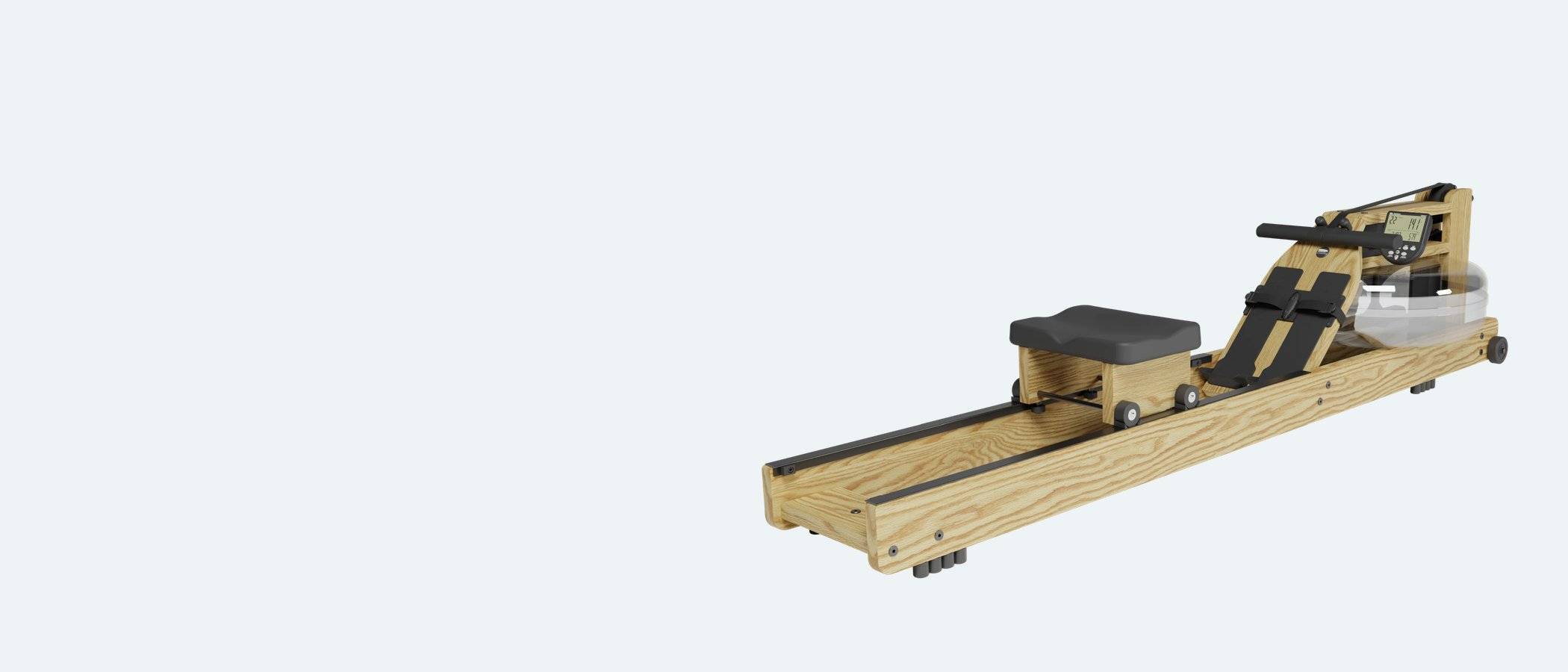
- Space: WaterRower says to allow at least 8.5 by 3.5 feet of floor to row. The machine itself is about 82 by 22 inches, and it stands up in about 17 by 22 inches (20 by 22 for the Hybrid) when you're done.
- Floor: on wood or carpet you may want a mat. WaterRower's is $75; any decent 5 mm rubber mat does the same job.
- Delivery: it ships in five to seven business days. Check the boxes and the machine when they arrive, and report any damage to the carrier and to WaterRower within 24 hours. Keep the boxes in case anything has to go back.
Building it
WaterRower says 30 to 45 minutes for the Original, Hybrid or Lite, and that's about right. The tools (two 5 mm Allen keys) are in the box; WaterRower has assembly videos for each model on its service site. For the Original:
- Bolt the rear spacer to the two rails.
- Slide the seat onto the rails.
- Set the tank between the rails and bolt the tank bracket on.
- Bolt on the footboard and the handle rests.
- Fit the footpads.
- Fit the two wheels.
- Stand it on end and connect the recoil belt to the bungee.
A tip several owners give: put every bolt in loosely first and only tighten them once they're all in. Several owners say the footboard holes are hard to line up otherwise.
Don't use a power drill. WaterRower says it can damage the machine and void the warranty. Hand-tight with the Allen keys is enough.
Over the first few weeks, go round and nip the bolts up again as the wood settles, and expect to adjust the recoil belt's tension once or twice in the first month. If a bolt keeps working loose, WaterRower suggests a drop of thread-locking glue.
The Hybrid goes together a little differently: its aluminum monorail, with the seat on it, bolts onto a pair of wooden rails that carry the tank.
Filling the tank
This is one of the jobs owners complain about most, mainly because the siphon pump in the box is slow. Done the right way, it's easy, and you only do it once.
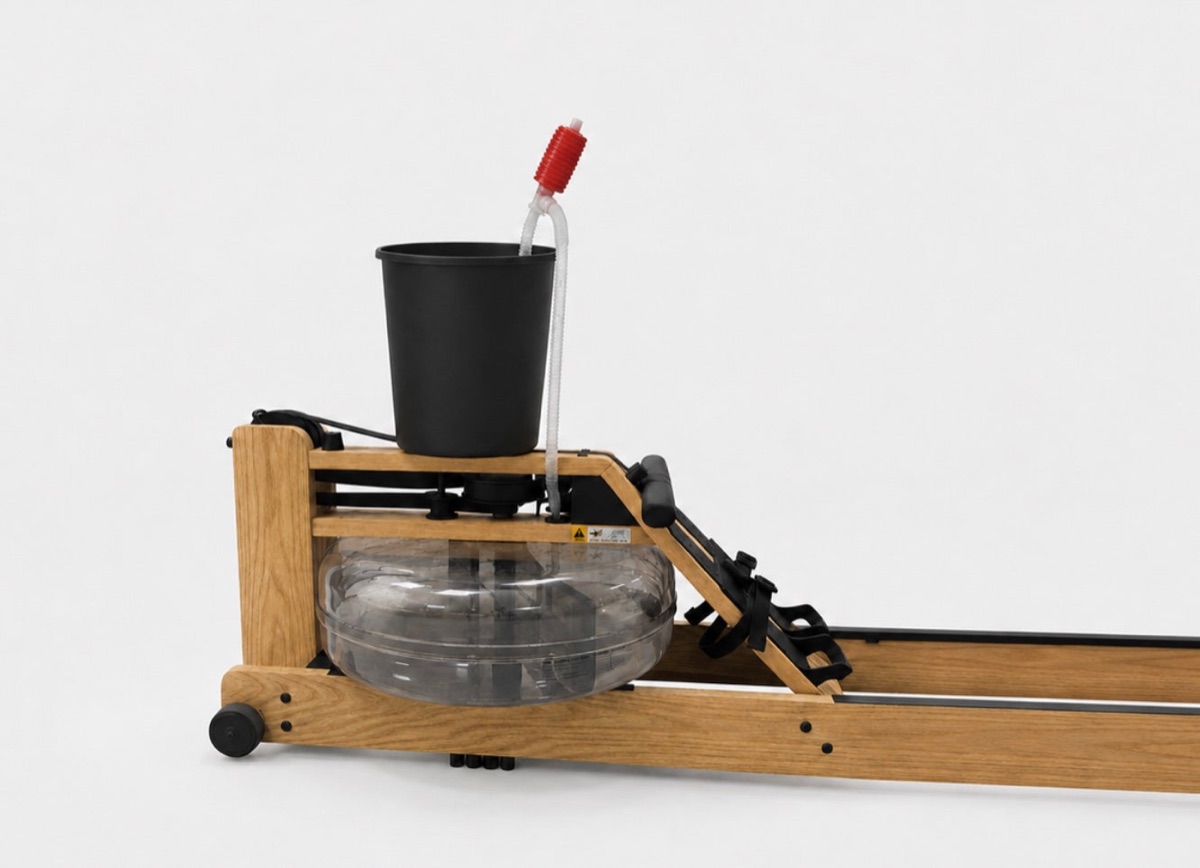
What water to use. Clean tap water or distilled water; never well water. WaterRower's FAQ allows both, though another of its help pages strongly prefers tap water, because what's added to it slows algae, and hard water can turn cloudy. I'd use tap water unless yours is very hard.
How much. Fill to 17 on the gauge sticker on the side of the tank. That's WaterRower's standard level, and the level the monitor's numbers assume. Never go past 19, the maximum: overfilling can cause leaks and void the warranty.
Step by step
- Original and Lite: lay the rower flat. Hybrid: stand it upright to fill.
- Take out the tank stopper, between the top and bottom decks.
- Put a bucket of water on a chair or step so it's higher than the tank.
- Close the siphon pump's valve, put one end in the bucket and the other in the tank, and squeeze the pump four or five times to start the flow. Refill the bucket as it empties.
- Stop at 17 on the gauge.
- Drop in one purification tablet, put the stopper back, and wipe any water off the wood.
Quicker options: if a hose reaches, it's much faster than the pump. WaterRower also sells an electric, USB-rechargeable siphon pump for $50.
Does more water make it harder? No, despite what plenty of reviews say. WaterRower is clear on this: the water level changes the mass you're moving, like a heavier boat with more crew, not the intensity of your workout. You make it harder by rowing harder and faster. Charts that tell you to use less water if you're a beginner or more if you're strong aren't from WaterRower. Fill to 17 and leave it.
If you do change the level, tell the S4 (Advanced Program 8, tank volume), because it uses that number to work out your watts.
Keeping the water clear: purification tablets
The tablets stop algae and bacteria growing in the tank. They're the one regular job.
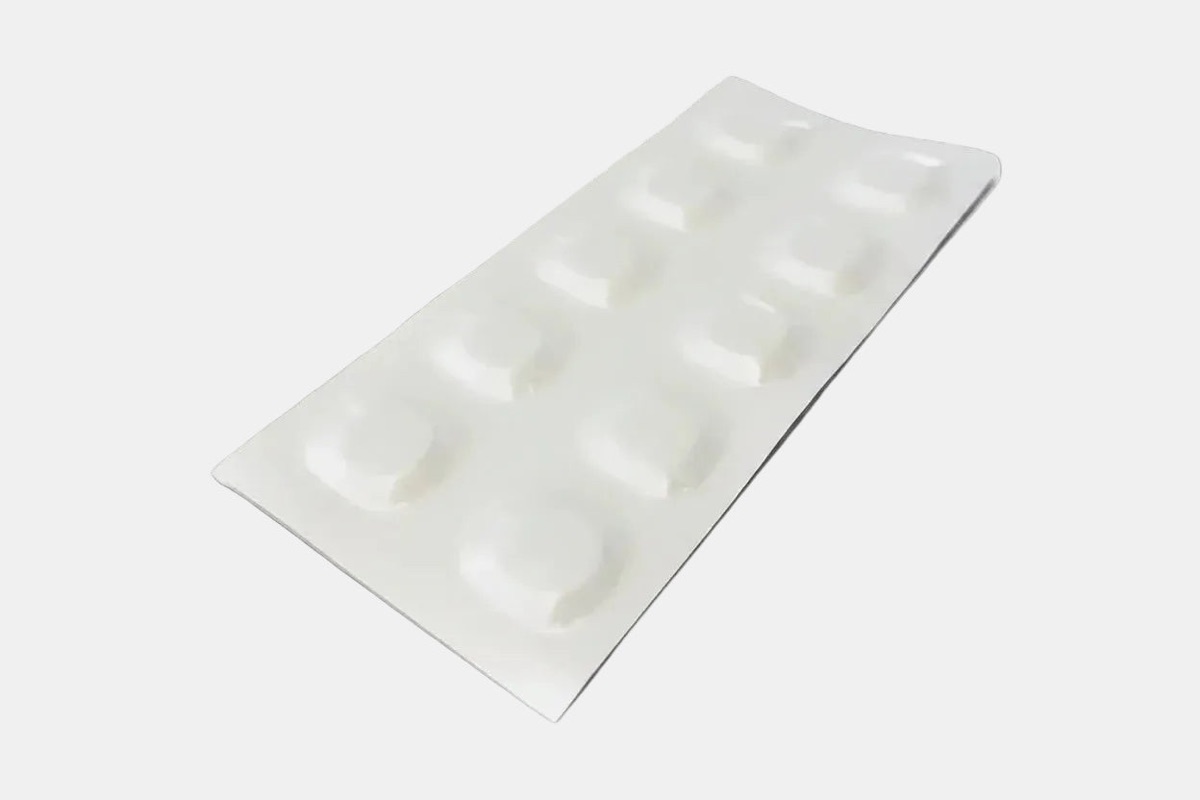
How often? WaterRower's own pages don't agree. The owner's manual and the service FAQ say one tablet every three to six months; another WaterRower help page says every four months; the shop listing says two tablets every four to six months. Here's the simple version that fits all of them:
- One tablet every three months if the rower gets direct sunlight (light breaks the tablets down faster).
- One every six months in a room without direct sun.
- One straight away if the water starts to look discolored.
Where to get them: two come in the box, WaterRower sells ten for $10, and its service FAQ says it will send them free of charge if you ask. They're also in WaterRower's $35 care kit.
Never use pool chlorine or bleach in the tank. WaterRower says it damages the tank and its seal, and using other purification products can void the warranty. If you've added WaterRower's blue dye to the water, don't add tablets too: they cancel each other out.
If the water goes cloudy or green
A tablet won't clear water that's already cloudy; it only keeps clean water clean. WaterRower's fixes, from its service FAQ:
- Cloudy: empty the tank, rinse it with a little rubbing alcohol, refill with fresh water and add a tablet.
- Algae: empty most of the water, refill, and add a quarter cup of an algae cleaner (WaterRower names Pondcare Microbial Algae Clean). Once the water is clear, add a tablet.
We found no owner reports of either problem in the reviews we read. Keeping up with the tablets and keeping the rower out of direct sun are the best prevention.
Emptying it
You only need to empty a WaterRower to change cloudy water or fix a leak. Lay it flat (WaterRower says to lay the Hybrid flat to empty, too), take out the stopper and use the siphon pump or WaterRower's electric pump. WaterRower's service site has siphoning instructions.
Cleaning
- The rails: wipe them with a damp cloth now and then. Grit on the rails wears out the seat wheels.
- The belt and clutch: dust collects between the top and bottom decks at the front. Clear it with a cloth, a vacuum or compressed air.
- The tank: soap and water, or 70% isopropyl alcohol. No chemical cleaners.
- The wood: it's finished in Danish oil and needs nothing but dusting and an occasional polish. WaterRower sells Danish oil for $10 if you want to refresh it. Cherry darkens to a deeper red with light over time; that's normal.
- Never use ammonia, bleach, methylated spirits or chlorates on any part.
WaterRower's care kit ($35 for the Original and Lite) has a cloth, an abrasive pad, Danish oil, a plastic and metal cleaner and tablets. The Hybrid's ($75) adds alcohol wipes and a brush for the monorail.
The one fault to watch for: a leaking tank
The tank is made in two halves joined at a seam, and the most common long-term problem owners report is that seam starting to weep after some years. Watch for water marks or drips under the tank, or the level dropping below 17.
It isn't the end of the machine. WaterRower sells a tank glue kit ($100, without the applicator gun) to reseal it. Some owners who've done it say it was easier than they expected; others found the instructions thin. A complete new short tank costs $475 ($500 in walnut). If your rower is registered and within three years, parts are under warranty, though labor never is.
Parts that wear, and what they cost
| Part | Why you'd replace it | Price at WaterRower |
|---|---|---|
| Seat wheels (set of 4) | The seat starts to judder or a wheel breaks up | $30 |
| Bungee | The handle stops returning firmly | $20 |
| Footstrap assembly | Straps worn or slipping | $20 |
| Seat cushion / pad | Comfort on longer rows | $50 |
| Handle | Worn grip | $50 |
| Tank stopper | Lost or cracked | $5 |
| Tank glue kit | Resealing a leaking seam | $100 |
| Short tank assembly | A tank past resealing | $475 ($500 walnut) |
Prices at waterrower.com, 17 November 2026. Replacement parts have a 90-day warranty. WaterRower still sells parts in discontinued woods like ash, so older machines can be kept going.
Moving and storing it
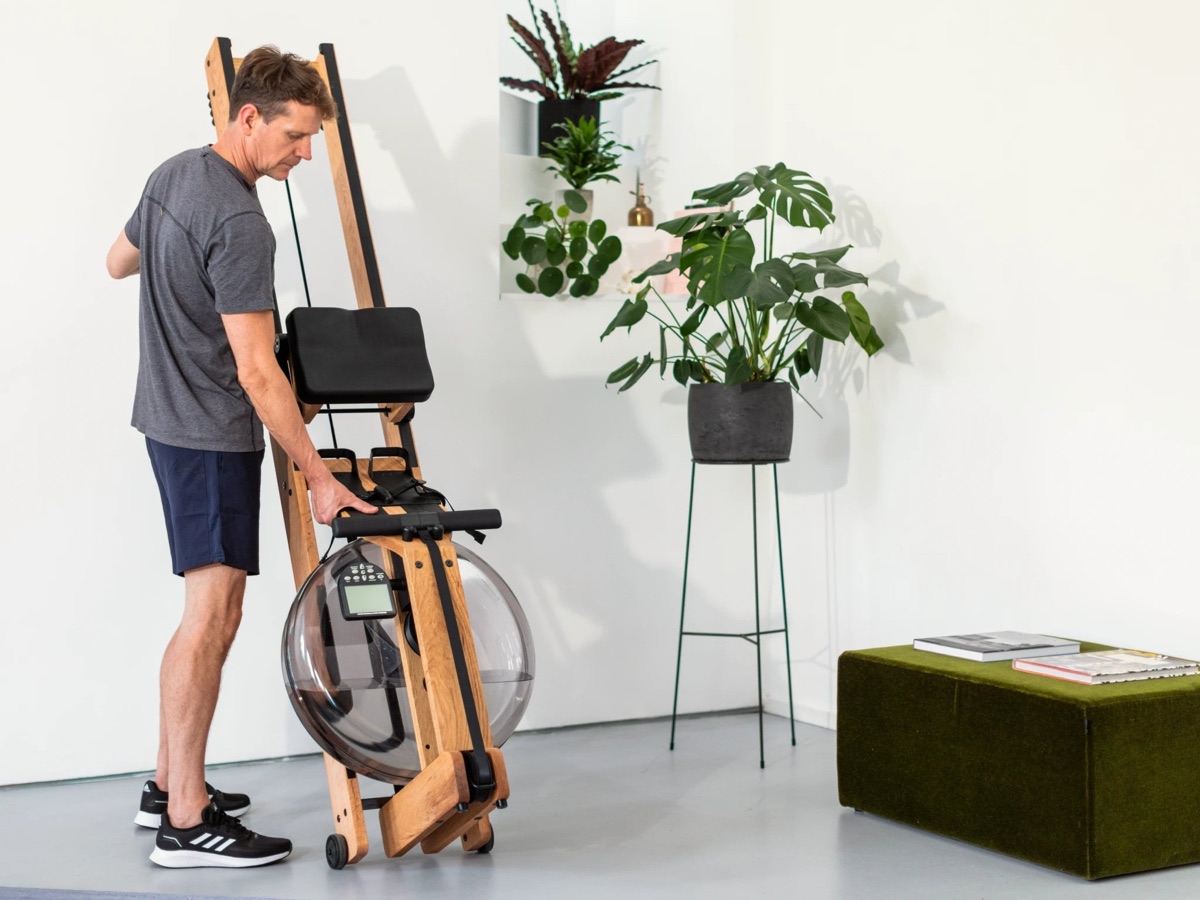
To stand it up, slide the seat to the front, lift the back end and use the momentum to bring it upright; it stands on its end full of water in about the space of a chair. It has two wheels, so you can roll it rather than carry it.
- Keep it out of direct sun if you can: light breaks down the tablets and helps algae grow.
- Don't keep it somewhere very hot, freezing or damp, like an unheated garage in winter: WaterRower's warranty excludes damage from extreme temperatures or moisture.
- On the Hybrid, fold the device arm up and take your tablet off before you stand it up.
A simple care schedule
| How often | What to do |
|---|---|
| Weekly, or when it looks dusty | Wipe the rails; dust the wood |
| Monthly | Check the bolts are tight and the belt isn't fraying; dust the belt and clutch area |
| Every 3 to 6 months | One purification tablet (3 months in sunlight, 6 without) |
| Once a year | Check the tank seam for drips, the seat wheels for judder and the footstraps for wear |
What voids the warranty
WaterRower's warranty (five years on the frame and three on parts, if you register in the first year) can be voided by: building it wrong, overfilling the tank, purifying the water with anything other than WaterRower's products, harsh cleaners, storing or using it in extreme heat, cold or damp, and not following the maintenance instructions. It never covers labor. Register it the day it arrives; more in our WaterRower review.
FAQ
How much water goes in a WaterRower?
Fill to 17 liters, the standard mark on the gauge on the side of the tank. Never go over 19, the maximum: overfilling can cause leaks and void the warranty.
Should I use tap or distilled water in my WaterRower?
Either, says WaterRower's FAQ, but never well water. Another WaterRower help page prefers tap water, because its additives slow algae. Very hard water can turn cloudy.
How often do you add purification tablets to a WaterRower?
One tablet every three to six months: every three if it gets direct sunlight, six if not, and straight away if the water discolors. WaterRower will send tablets free if you ask.
Can I use chlorine in my WaterRower tank?
No. WaterRower says never to use pool chlorine or bleach, which damage the tank and seal, and other purification products can void the warranty.
How do I fix cloudy or green water?
A tablet won't clear it. Empty the tank, rinse with a little rubbing alcohol and refill with a tablet; for algae, WaterRower suggests a quarter cup of algae cleaner after refilling, then a tablet once it's clear.
Does more water make a WaterRower harder?
No. The level changes how heavy the boat feels, not the intensity. You work harder by rowing harder and faster.
How long does a WaterRower take to assemble?
WaterRower says 30 to 45 minutes, with the tools in the box.